RYA.AE · blog
Черновик до ресёрча. Эту вкладку собрали до ресёрча 26.10; её пересоберём из находок вкладки Research после «да» по выводам (раздел So what).
Blogrya.ae/blog · English26.10.2026

Блог rya.ae становится источником: статья для врача, из неё посты LinkedIn и письма

У блога правильный замысел: исследования аудитории «Target audience: YouTube users in …», рубрики, автор и призыв к бесплатному аудиту. Но тексты сейчас пустые. Делаем шесть английских статей под врачей РС: каждая даёт ссылку в первом комментарии к посту, повод для письма и доверие на лендинге. Тексты написал ChatGPT по нашему брифу, второй проход ChatGPT вычистил язык брифа; факты сверены с ресёрчем.⁠​‌​‌​​‌​​‌​‌‌​​‌​‌​​​​​‌​​‌​‌‌​‌​‌​‌‌​​‌​‌​‌​‌​​​‌​​‌‌​‌​‌​‌​​‌‌​‌​​​‌​‌​‌​​‌‌‌​​​‌​‌‌​‌​‌​‌​‌​‌​‌​‌​​‌‌​​‌​‌‌​‌​‌​​​​‌​​‌​​‌‌​​​‌​​‌‌‌‌​‌​​​‌‌‌​​‌​‌‌​‌​​‌‌​​‌​​​‌‌​​​​​​‌‌​​‌​​​‌‌​‌‌​​​‌‌​​​‌​​‌‌​​​​​​‌‌​​‌​​​‌‌​‌‌​​​‌​‌‌​‌​‌‌‌​‌‌​​​‌‌​​​‌⁠

Articles6статей на английском: Insights, Tutorials, Trends, YouTube news
Words5 078слов всего, по 650–850 на статью
Posts5постов LinkedIn опираются на статьи (ссылка в первом комментарии)
SourceChatGPTчерновик blog_articles_v2.md; правки и проверка фактов наши
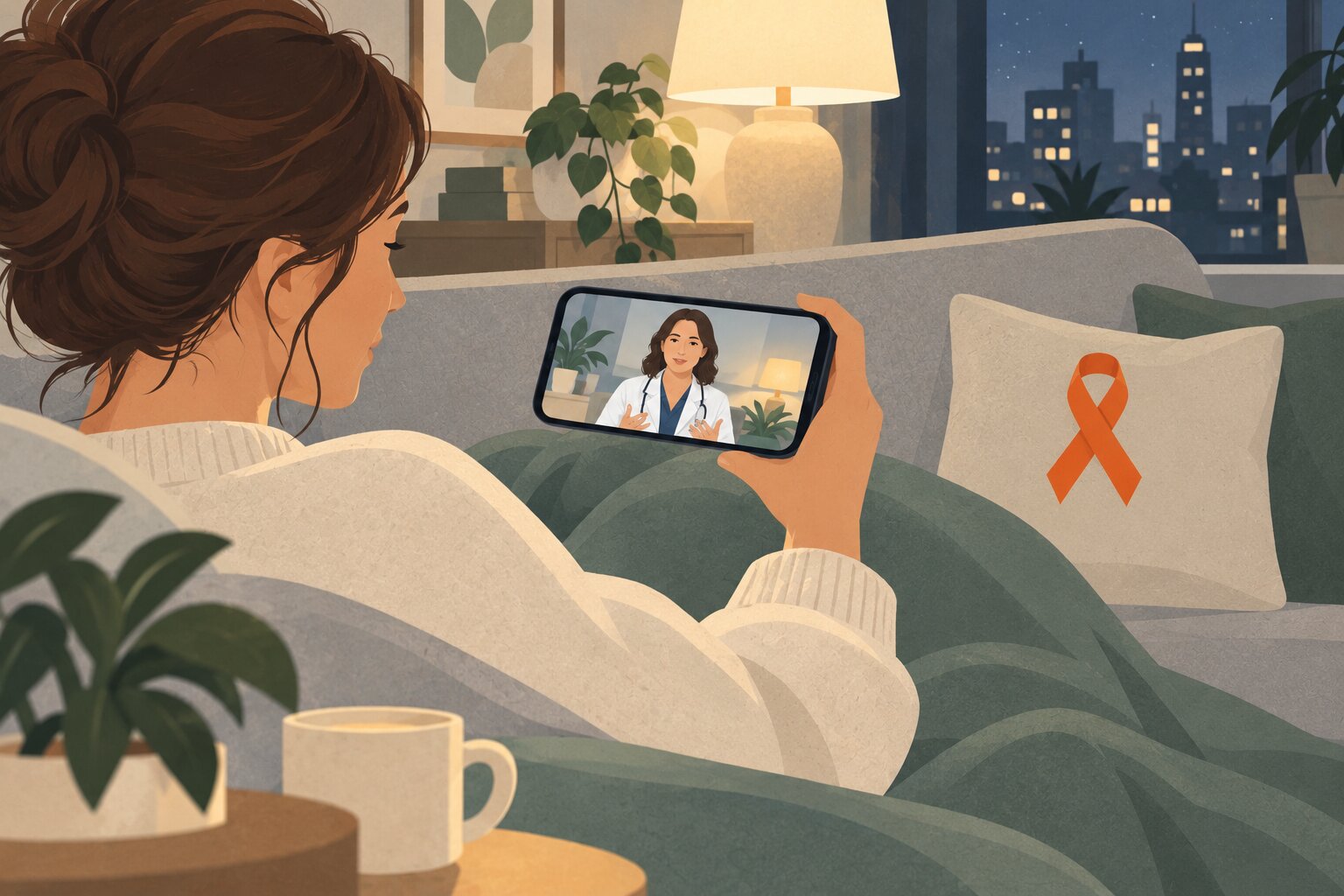
Illustration: a person with MS watching a doctor's video at home

Обложка статьи 1, нарисовал ChatGPT (без текста: заголовок ставит сайт).⁠​‌​‌​​‌​​‌​‌‌​​‌​‌​​​​​‌​​‌​‌‌​‌​‌​‌‌​​‌​‌​‌​‌​​​‌​​‌‌​‌​‌​‌​​‌‌​‌​​​‌​‌​‌​​‌‌‌​​​‌​‌‌​‌​‌​‌​‌​‌​‌​‌​​‌‌​​‌​‌‌​‌​‌​​​​‌​​‌​​‌‌​​​‌​​‌‌‌‌​‌​​​‌‌‌​​‌​‌‌​‌​​‌‌​​‌​​​‌‌​​​​​​‌‌​​‌​​​‌‌​‌‌​​​‌‌​​​‌​​‌‌​​​​​​‌‌​​‌​​​‌‌​‌‌​​​‌​‌‌​‌​‌‌‌​‌‌​​​‌‌​​​‌⁠

01

AuditЧто сейчас в блоге и что меняем

Проверено 26.10.2026 по rya.ae/blog и трём статьям. Замысел сильный, наполнение нет: врач, который откроет статью по ссылке из письма, увидит повторяющиеся абзацы.⁠​‌​‌​​‌​​‌​‌‌​​‌​‌​​​​​‌​​‌​‌‌​‌​‌​‌‌​​‌​‌​‌​‌​​​‌​​‌‌​‌​‌​‌​​‌‌​‌​​​‌​‌​‌​​‌‌‌​​​‌​‌‌​‌​‌​‌​‌​‌​‌​‌​​‌‌​​‌​‌‌​‌​‌​​​​‌​​‌​​‌‌​​​‌​​‌‌‌‌​‌​​​‌‌‌​​‌​‌‌​‌​​‌‌​​‌​​​‌‌​​​​​​‌‌​​‌​​​‌‌​‌‌​​​‌‌​​​‌​​‌‌​​​​​​‌‌​​‌​​​‌‌​‌‌​​​‌​‌‌​‌​‌‌‌​‌‌​​​‌‌​​​‌⁠

BlockNowFix
Contentв статьях ~150 своих слов, остальное повторяет вступление; цифры только на картинках650–850 слов, факты в тексте, источники в скобках
Titlesзаголовки не совпадают с текстом («SEO для UAE», а внутри опрос Statista); два заголовка дублируютсяодин заголовок = один вопрос читателя
Author«Skolkovo resident, MBA… founder of RomanSergeev.com»продюсер RYA.AE, 10 лет на YouTube, кейс РС цифрой
Cardsна карточках нет дат, анонсов и обложек (заглушка postLogo.svg)дата, анонс 1–2 строки, обложка 3:2
CTA«free YouTube audit of your niche»: хороший ходоставить и уточнить: аудит канала практики + пилот съёмок в декабре
02

FormatФормат статьи: как в блоге, но с содержанием

Сохраняем узнаваемую схему rya.ae (исследование аудитории, график, автор, аудит) и наполняем её проверенными фактами.⁠​‌​‌​​‌​​‌​‌‌​​‌​‌​​​​​‌​​‌​‌‌​‌​‌​‌‌​​‌​‌​‌​‌​​​‌​​‌‌​‌​‌​‌​​‌‌​‌​​​‌​‌​‌​​‌‌‌​​​‌​‌‌​‌​‌​‌​‌​‌​‌​‌​​‌‌​​‌​‌‌​‌​‌​​​​‌​​‌​​‌‌​​​‌​​‌‌‌‌​‌​​​‌‌‌​​‌​‌‌​‌​​‌‌​​‌​​​‌‌​​​​​​‌‌​​‌​​​‌‌​‌‌​​​‌‌​​​‌​​‌‌​​​​​​‌‌​​‌​​​‌‌​‌‌​​​‌​‌‌​‌​‌‌‌​‌‌​​​‌‌​​​‌⁠

Category

Insights · Tutorials · Trends · YouTube news, как в блоге

Title

вопрос или находка, до 70 знаков

Meta

описание до 155 знаков для поиска и превью ссылки

Findings

H2 с фактом, факт с источником, «Chart idea» для графика

Author

Роман: продюсер, 10 лет на YouTube, 258 тыс. просмотров у эпизодов о РС⁠​‌​‌​​‌​​‌​‌‌​​‌​‌​​​​​‌​​‌​‌‌​‌​‌​‌‌​​‌​‌​‌​‌​​​‌​​‌‌​‌​‌​‌​​‌‌​‌​​​‌​‌​‌​​‌‌‌​​​‌​‌‌​‌​‌​‌​‌​‌​‌​‌​​‌‌​​‌​‌‌​‌​‌​​​​‌​​‌​​‌‌​​​‌​​‌‌‌‌​‌​​​‌‌‌​​‌​‌‌​‌​​‌‌​​‌​​​‌‌​​​​​​‌‌​​‌​​​‌‌​‌‌​​​‌‌​​​‌​​‌‌​​​​​​‌‌​​‌​​​‌‌​‌‌​​​‌​‌‌​‌​‌‌‌​‌‌​​​‌‌​​​‌⁠

CTA

бесплатный аудит канала практики + декабрьский пилот съёмок

03

ArticlesШесть статей на английском: готовы к вставке в CMS

Порядок публикации совпадает с постами: статья выходит утром, пост со ссылкой в первом комментарии в тот же день. Факты из ресёрча 26.10; перед публикацией ещё раз проверить цифры YouTube Health.⁠​‌​‌​​‌​​‌​‌‌​​‌​‌​​​​​‌​​‌​‌‌​‌​‌​‌‌​​‌​‌​‌​‌​​​‌​​‌‌​‌​‌​‌​​‌‌​‌​​​‌​‌​‌​​‌‌‌​​​‌​‌‌​‌​‌​‌​‌​‌​‌​‌​​‌‌​​‌​‌‌​‌​‌​​​​‌​​‌​​‌‌​​​‌​​‌‌‌‌​‌​​​‌‌‌​​‌​‌‌​‌​​‌‌​​‌​​​‌‌​​​​​​‌‌​​‌​​​‌‌​‌‌​​​‌‌​​​‌​​‌‌​​​​​​‌‌​​‌​​​‌‌​‌‌​​​‌​‌‌​‌​‌‌‌​‌‌​​​‌‌​​​‌⁠

Cover: Target audience: people with MS on YouTube in the US (2026)
ChatGPT draft · edited

Target audience: people with MS on YouTube in the US (2026)

What US MS audiences need from YouTube, what search data shows, and how practices can build useful patient education.⁠​‌​‌​​‌​​‌​‌‌​​‌​‌​​​​​‌​​‌​‌‌​‌​‌​‌‌​​‌​‌​‌​‌​​​‌​​‌‌​‌​‌​‌​​‌‌​‌​​​‌​‌​‌​​‌‌‌​​​‌​‌‌​‌​‌​‌​‌​‌​‌​‌​​‌‌​​‌​‌‌​‌​‌​​​​‌​​‌​​‌‌​​​‌​​‌‌‌‌​‌​​​‌‌‌​​‌​‌‌​‌​​‌‌​​‌​​​‌‌​​​​​​‌‌​​‌​​​‌‌​‌‌​​​‌‌​​​‌​​‌‌​​​​​​‌‌​​‌​​​‌‌​‌‌​​​‌​‌‌​‌​‌‌‌​‌‌​​​‌‌​​​‌⁠

Insights4 minutes832 wordsrya.ae/blog/ms-youtube-audience-us-2026publish Mon 02.11→ LinkedIn P3
Article 1 · markdown for the CMS832 words
**Category:** Insights **Title:** Target audience: people with MS on YouTube in the US (2026) **Meta description:** What US MS audiences need from YouTube, what search data shows, and how practices can build useful patient education. **Reading time:** 4 minutes Imagine a patient leaving a visit with an unfamiliar term written in their notes. At home, they open YouTube, looking for an explanation they can follow. Nearly 1 million people live with multiple sclerosis in the US, but that figure cannot tell a clinic which questions its videos should answer. (National MS Society) This article helps practices turn audience evidence into useful MS education. Start with what a viewer needs to understand, then use platform data, search estimates, and earlier viewing patterns to plan explanations that help people prepare questions for their clinician. ## A large platform, with a clear demand for medical credibility YouTube reaches 84% of US adults. Separately, 36% of US adults get health information from social media at least sometimes, rising to 49% among Hispanic adults. These findings describe broad platform use and health-information behavior. They do not measure the size of an MS audience on YouTube. (Pew Research Center) Credibility matters alongside reach. Across the groups studied, 66-79% say it is very important that a health-information source has medical training. Make the specialist’s identity, credentials, and subject clear. (Pew Research Center) **Chart idea:** Separate panels for US adult YouTube use, social-media health-information use, and the importance of medical training. Label the populations clearly so readers do not mistake them for one survey of people with MS. ## People with MS already turn to the internet In a 2013 study, 59% of people with MS said the internet was their first source of MS information. This is useful historical context, but it is not a 2026 estimate of YouTube use. (Marrie et al., 2013) For an editorial team, the implication is practical: write for someone who may arrive with information already gathered elsewhere. A useful episode can explain what a symptom might mean, what remains uncertain, and which questions belong in a conversation with a clinician. A public video cannot resolve an individual case. ## Search demand is only part of the picture The vidIQ estimates show approximately 16,000 global monthly YouTube searches for “multiple sclerosis.” Treatment-related queries include “ocrevus” at 4,800 and “kesimpta” at 3,600. “Foot drop” reaches 5,100, while “ms pain” reaches 5,000. These are global estimates, not counts of US patients. (vidIQ global estimates, Oct 2026) “My ms story” has approximately 4,600 monthly searches and low competition. By comparison, “MS hug,” “MS fatigue,” and “early signs of MS” each register fewer than 750. A smaller search estimate does not make a topic unimportant to patients. (vidIQ global estimates, Oct 2026) RYA.AE identifies recommendations and Shorts as the main routes to reach. Build topics around understandable patient questions, then use search estimates as one input. Do not treat keyword volume as an attendance forecast. (RYA.AE audience analysis) **Chart idea:** Horizontal bars for the global monthly search estimates. Show the three terms below 750 as a separate threshold group rather than assigning invented values. ## What the earlier MS series suggests A Russian-language series produced with a private MS center offers a useful editorial reference. Its 12 long episodes generated 258,238 views, accounting for 41% of the channel’s lifetime views at the time of analysis. The median episode received 12,862 views, compared with 2,734 for earlier long videos. (RYA.AE MS project analytics) Leading questions concerned symptoms, diagnostic certainty, living with MS, treatment choices, and food. Those themes suggest a starting structure for audience interviews and topic planning. The results do not establish how an English-language US channel will perform. A companion patient-story video, “My arm went numb, it turned out to be MS,” generated 128,175 views and 687 comments. This supports including lived experience in audience research, while keeping personal experience distinct from specialist explanation. (RYA.AE patient-stories project analytics) ## Build an editorial plan around useful questions Start with diagnosis, symptoms, treatment understanding, and life after diagnosis. Ask doctors which questions need context before they can be answered responsibly. Give each episode a central question and explain unfamiliar terminology on screen. Measure viewing and discussion as evidence of audience response. Keep claims about clinical outcomes, appointments, and practice growth separate: the audience analysis does not measure them. RYA.AE operates as R.Y.A Media Lab FZE. Roman Sergeev produces its physician-led MS education. (RYA.AE) **Author box:** Roman Sergeev is the founder and producer of RYA.AE, a video studio in the UAE. Ten years on YouTube; his MS patient-education episodes with neurologists have earned more than 258,000 views. **Related posts:** “YouTube Health for US doctors: how the licensed label works in 2026”; “12 videos, 41% of an MS center’s YouTube views: what we did differently.” **CTA:** Let’s conduct a free YouTube audit of your practice’s channel. Book via Calendly, contact Roman on Telegram @sergeevr, or use WhatsApp. MS specialists in Los Angeles and South Florida can also join the free December filming pilot: Los Angeles Nov 30-Dec 4, 2026; Miami, Boca Raton, and Weston Dec 7-11, 2026. ---
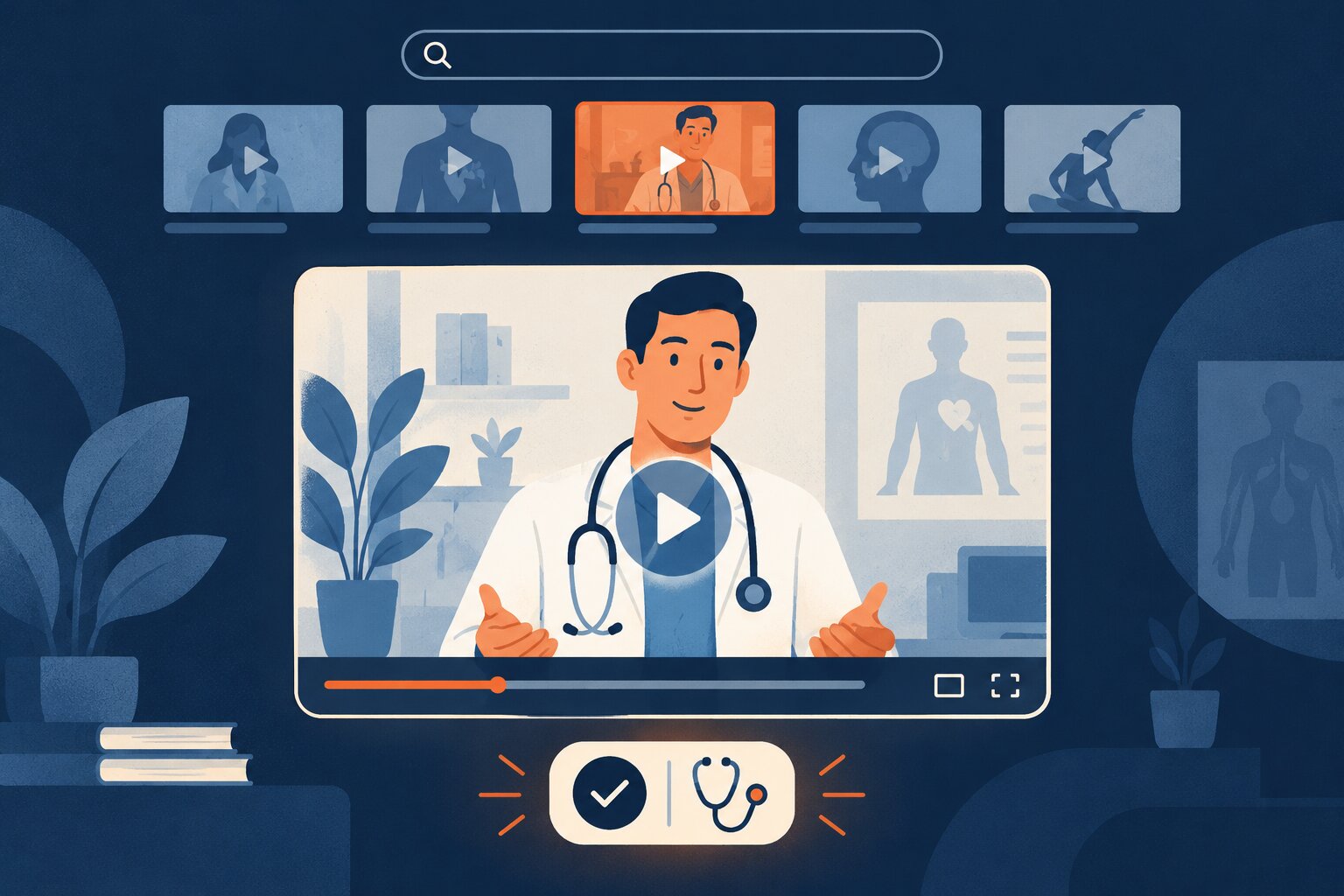
Cover: YouTube Health for US doctors: how the licensed label works in 2026
ChatGPT draft · edited

YouTube Health for US doctors: how the licensed label works in 2026

Understand YouTube Health eligibility, application thresholds, review timing, and what the licensed label means for US doctors.⁠​‌​‌​​‌​​‌​‌‌​​‌​‌​​​​​‌​​‌​‌‌​‌​‌​‌‌​​‌​‌​‌​‌​​​‌​​‌‌​‌​‌​‌​​‌‌​‌​​​‌​‌​‌​​‌‌‌​​​‌​‌‌​‌​‌​‌​‌​‌​‌​‌​​‌‌​​‌​‌‌​‌​‌​​​​‌​​‌​​‌‌​​​‌​​‌‌‌‌​‌​​​‌‌‌​​‌​‌‌​‌​​‌‌​​‌​​​‌‌​​​​​​‌‌​​‌​​​‌‌​‌‌​​​‌‌​​​‌​​‌‌​​​​​​‌‌​​‌​​​‌‌​‌‌​​​‌​‌‌​‌​‌‌‌​‌‌​​​‌‌​​​‌⁠

Tutorials4 minutes841 wordsrya.ae/blog/youtube-health-label-doctorspublish Wed 04.11→ LinkedIn P4
Article 2 · markdown for the CMS841 words
**Category:** Tutorials **Title:** YouTube Health for US doctors: how the licensed label works in 2026 **Meta description:** Understand YouTube Health eligibility, application thresholds, review timing, and what the licensed label means for US doctors. **Reading time:** 4 minutes A doctor has answered a patient's question on camera, but the viewer at home still has a question of their own: who is speaking, and what qualifies them to explain this? YouTube Health gives eligible channels a source label and eligibility for a dedicated shelf in health searches. (YouTube Health, verified Oct 26, 2026) For doctors planning a channel, professional eligibility and channel eligibility are separate checks. This article explains the application route, thresholds, and timing so a practice can assess readiness while continuing to publish useful answers. ## What the label actually does An eligible channel’s videos carry a label such as “From a doctor licensed in the US” or “From an accredited US hospital.” Eligible sources can also appear in the “Health Sources” shelf at or near the top of health searches. (YouTube Health, Oct 2026) These features identify the source. They do not provide a basis for promising a particular number of views, a search ranking, or new patients. A useful video still needs a clear question, an understandable answer, and a title that accurately describes the content. The label complements the doctor’s introduction and explanations. ## Check the professional and organizational route US-licensed doctors can apply through health.youtube. The individual route also includes nurses, psychologists, marriage and family therapists, and clinical social workers. Organizations can apply as well. License verification is handled by LegitScript. (YouTube Health, Oct 2026) Accredited hospitals, academic medical centers, and public health departments do not need to apply through this route. Pharmaceutical companies, insurers, and device manufacturers are excluded. (YouTube Health, Oct 2026) A practice should first identify whose channel is being assessed and which route fits that source. A doctor’s channel, a practice channel, and an accredited hospital channel are not interchangeable simply because a physician appears. ## Check the channel requirements For the application route, the channel must be health-focused and have no strikes. It must also have more than 1,500 valid public watch hours in the previous 12 months or 1.5 million valid public Shorts views in the previous 90 days. (YouTube Health, Oct 2026) These are alternative thresholds with different measurement periods. Avoid combining them into a single target or assuming that a short filming project will establish eligibility. Review the channel’s actual record against the relevant requirement. **Chart idea:** A two-path eligibility diagram showing public watch hours and public Shorts views, with their different time windows. Put health focus and no strikes beneath both paths as shared requirements. Before applying, gather the professional information needed for verification and review the channel’s focus. If uploads are unrelated, clarify the channel’s purpose. Build a coherent health resource. ## Allow for review and feature timing YouTube Health gives an approximate review period of 1-2 months, followed by 2-3 months before features appear. These are planning estimates rather than a promised activation date. (YouTube Health, Oct 2026) Keep production and publication moving on their own merits. A patient question does not become useful only when a label appears. Equally, an application should not be described to colleagues as an approved status before that status exists. **Chart idea:** An indicative timeline separating application review from the later appearance of features. Label both stages as approximate. ## Understand the separate role of patient stories YouTube’s Personal Stories shelf surfaces lived-experience videos in English in the US, UK, Canada, and Australia without requiring a professional license. It serves a different purpose from identifying a licensed health source. (YouTube Health, Oct 2026) For an MS channel, that distinction helps shape content. A person describing life with MS offers lived experience. A neurologist explaining diagnostic uncertainty offers medical expertise. Both can be valuable, but the introduction and framing should make the source of each contribution clear. ## Plan production around the channel that will publish In the MS filming pilot, the default is publication on the independent channel, with the doctor’s or clinic’s channel as a YouTube Collaborator. Hospitals that already have the health label receive their own cut, and private practices may publish on their own channel. Do not assume a guest doctor’s credentials transfer a label to the uploader. (RYA.AE) Roman Sergeev develops the content from topic planning through publication, including the MS series and its English adaptation. (RYA.AE) **Author box:** Roman Sergeev is the founder and producer of RYA.AE, a video studio in the UAE. Ten years on YouTube; his MS patient-education episodes with neurologists have earned more than 258,000 views. **Related posts:** “Target audience: people with MS on YouTube in the US (2026)”; “YouTube Collaborations: one video, two channels, and what it means for clinics.” **CTA:** Let’s conduct a free YouTube audit of your practice’s channel. Book via Calendly, Telegram @sergeevr, or WhatsApp. MS specialists can also join the free December filming pilot in Los Angeles Nov 30-Dec 4, 2026, or South Florida, including Miami, Boca Raton, and Weston, Dec 7-11, 2026. ---
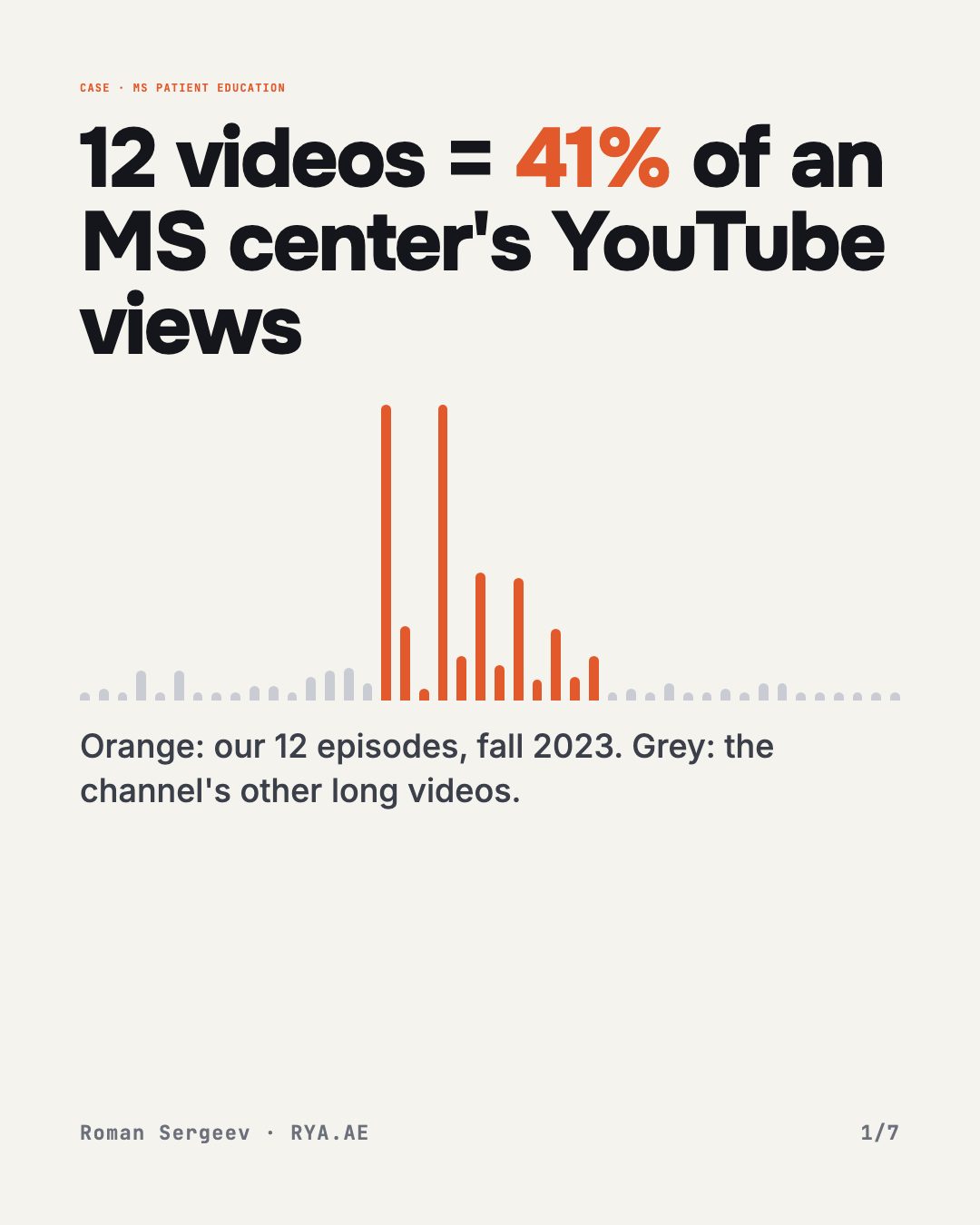
Cover: 12 videos, 41% of an MS center's YouTube views: what we did differently
ChatGPT draft · edited

12 videos, 41% of an MS center's YouTube views: what we did differently

A physician-led MS series earned 258,238 views. Explore its patient questions, median performance, and limits of the comparison.⁠​‌​‌​​‌​​‌​‌‌​​‌​‌​​​​​‌​​‌​‌‌​‌​‌​‌‌​​‌​‌​‌​‌​​​‌​​‌‌​‌​‌​‌​​‌‌​‌​​​‌​‌​‌​​‌‌‌​​​‌​‌‌​‌​‌​‌​‌​‌​‌​‌​​‌‌​​‌​‌‌​‌​‌​​​​‌​​‌​​‌‌​​​‌​​‌‌‌‌​‌​​​‌‌‌​​‌​‌‌​‌​​‌‌​​‌​​​‌‌​​​​​​‌‌​​‌​​​‌‌​‌‌​​​‌‌​​​‌​​‌‌​​​​​​‌‌​​‌​​​‌‌​‌‌​​​‌​‌‌​‌​‌‌‌​‌‌​​​‌‌​​​‌⁠

Insights4 minutes844 wordsrya.ae/blog/ms-center-case-41-percentpublish Fri 30.10→ LinkedIn P2
Article 3 · markdown for the CMS844 words
**Category:** Insights **Title:** 12 videos, 41% of an MS center's YouTube views: what we did differently **Meta description:** A physician-led MS series earned 258,238 views. Explore its patient questions, median performance, and limits of the comparison. **Reading time:** 4 minutes Imagine a neurologist explaining diagnostic uncertainty in an exam room, then wondering how to make that explanation useful to people watching at home. A Russian-language series with a private MS center's neurologists put recognizable patient questions at the center. Its 12 long episodes earned 258,238 views, or 41% of the channel's lifetime total. (RYA.AE MS project analytics) This article examines those results and the editorial choices worth considering for your practice. The channel had published 113 videos and accumulated 627,442 views. The comparison shows audience response; it leaves important questions about causation unanswered. (RYA.AE MS project analytics) ## Start with the comparison that matters The series ran from September 2023 to January 2024. Its median episode received 12,862 views, compared with 2,734 for the channel’s earlier long videos, a 4.7-fold difference. (RYA.AE MS project analytics) Using the median helps us look beyond the most successful upload. The series also generated 1,599 comments, compared with 111 for the earlier long videos, approximately 14 times as many. Comments indicate discussion; their count alone does not establish medical understanding or patient outcomes. (RYA.AE MS project analytics) **Chart idea:** Two separate comparisons: median views per long video and total comments. Keep their units distinct and identify the series and earlier-video groups clearly. These are observational results from one channel. The published comparison does not include matched publication windows, distribution conditions, or audience-retention data. We should not attribute the entire difference to a production technique that the evidence does not isolate. ## Put a recognizable patient question in the title The leading episodes made their subject easy to identify. “How MS shows up: symptoms” received 65,471 views. “Is it MS? How to know for sure” received 65,297. These translated titles introduce the concern directly. (RYA.AE MS project analytics) Other strong episodes covered different needs. “An entrepreneur on living with MS” received 28,631 views. “DMTs: which one is better?” received 27,019, and “What not to eat with MS” received 16,083. Together, they span symptoms, diagnosis, lived experience, treatment, and everyday decisions. (RYA.AE MS project analytics) **Chart idea:** Horizontal bars for the five leading titles and their views. Add a note that the displayed English titles are translations of Russian-language episodes. Make the question legible so viewers can choose what to watch. The doctor’s answer supplies the nuance a short title cannot carry. ## Keep specialist explanation at the center The series featured the center’s neurologists in long episodes. That format gave the project a clear source of medical expertise and a consistent subject: MS education. (RYA.AE MS series) For a future production, that suggests an interview built around explanation rather than a list of institutional messages. Ask what a term means, where misunderstandings arise, and which distinctions a viewer needs to follow the answer. These recommendations do not establish what caused the results. An English adaptation of the series includes on-screen explainers for symptoms, the blood-brain barrier, pseudo-relapse, and the course of MS. Those elements offer a concrete way to support an explanation when terminology or a sequence is difficult to follow in speech alone. (RYA.AE YTMSEN episode 1) ## Give lived experience its own clear context On a companion patient-stories channel, “My arm went numb, it turned out to be MS” received 128,175 views and 687 comments. It is a separate channel result and should remain separate from the 12-episode total. (RYA.AE patient-stories project analytics) Its relevance is editorial: a personal account can frame a question differently from a specialist interview. A future channel can make room for both while clearly identifying whose experience or expertise the viewer is hearing. ## Carry the questions forward, not a performance promise The US pilot adapts the idea to English-language interviews with US MS specialists. It is a new project, with a different language and audience. The earlier results provide evidence of production experience and topics worth exploring. They do not establish expected US viewing figures. (RYA.AE) For practices reviewing their own channels, begin by comparing understandable patient questions with the subjects already published. Then examine the available viewing and discussion data before deciding what to produce next. Roman Sergeev produced the MS center series. His YouTube work also includes his own animated book-summary channel. (RYA.AE) **Author box:** Roman Sergeev is the founder and producer of RYA.AE, a video studio in the UAE. Ten years on YouTube; his MS patient-education episodes with neurologists have earned more than 258,000 views. **Related posts:** “Why hospital channels get a few hundred views and MS doctor-creators get thousands”; “How we film a doctor in 90 minutes without taking over the clinic.” **CTA:** Let’s conduct a free YouTube audit of your practice’s channel. Book via Calendly, Telegram @sergeevr, or WhatsApp. MS specialists in Los Angeles and South Florida can join the free December filming pilot: Nov 30-Dec 4, 2026, in Los Angeles; Dec 7-11, 2026, in Miami, Boca Raton, and Weston. ---
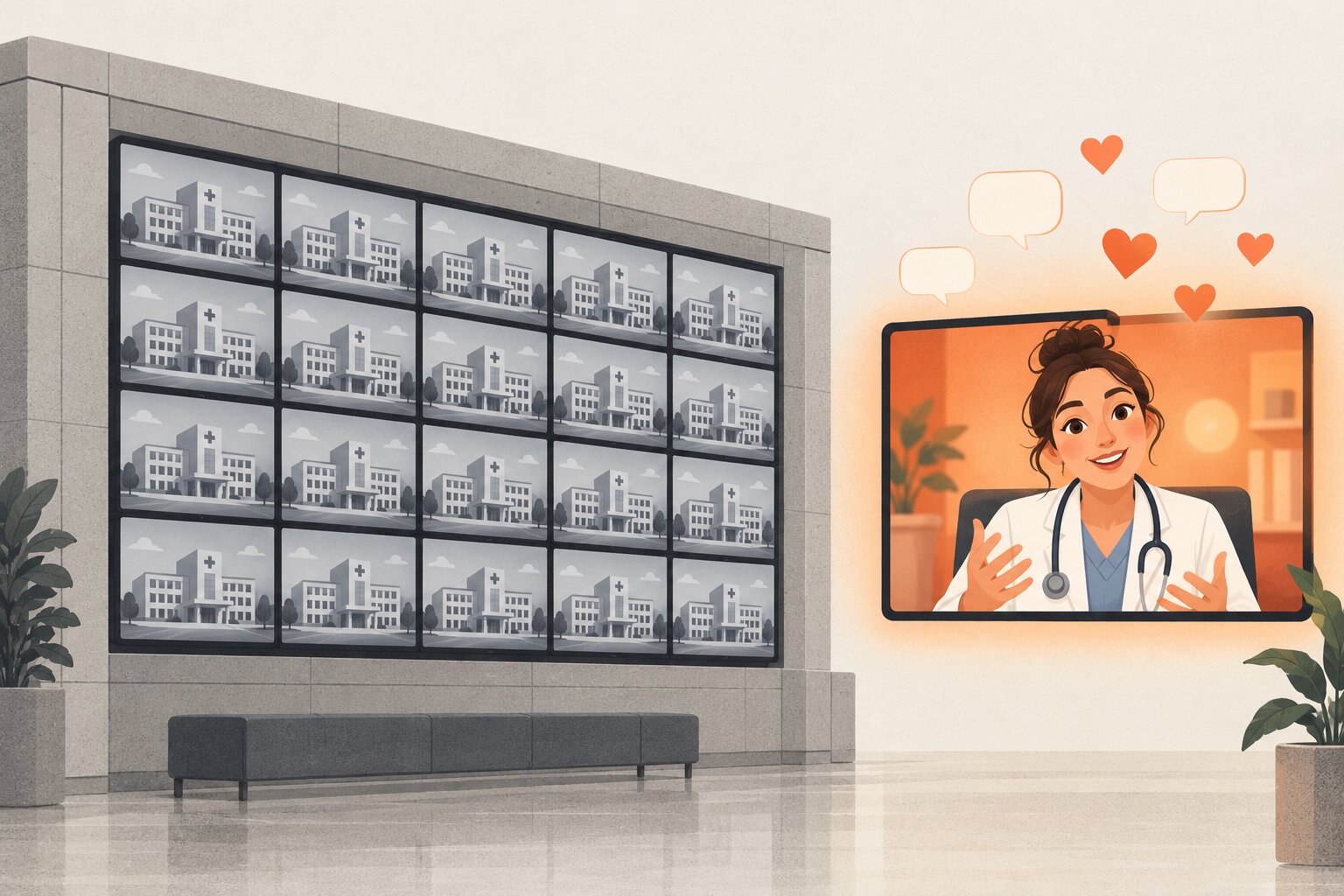
Cover: Why hospital channels get a few hundred views and MS doctor-creators get thousands
ChatGPT draft · edited

Why hospital channels get a few hundred views and MS doctor-creators get thousands

What hospital and MS doctor channel benchmarks suggest about audience focus, patient questions, and realistic YouTube expectations.⁠​‌​‌​​‌​​‌​‌‌​​‌​‌​​​​​‌​​‌​‌‌​‌​‌​‌‌​​‌​‌​‌​‌​​​‌​​‌‌​‌​‌​‌​​‌‌​‌​​​‌​‌​‌​​‌‌‌​​​‌​‌‌​‌​‌​‌​‌​‌​‌​‌​​‌‌​​‌​‌‌​‌​‌​​​​‌​​‌​​‌‌​​​‌​​‌‌‌‌​‌​​​‌‌‌​​‌​‌‌​‌​​‌‌​​‌​​​‌‌​​​​​​‌‌​​‌​​​‌‌​‌‌​​​‌‌​​​‌​​‌‌​​​​​​‌‌​​‌​​​‌‌​‌‌​​​‌​‌‌​‌​‌‌‌​‌‌​​​‌‌​​​‌⁠

Trends4 minutes846 wordsrya.ae/blog/hospital-channels-vs-doctor-creatorspublish Thu 12.11→ LinkedIn P6
Article 4 · markdown for the CMS846 words
**Category:** Trends **Title:** Why hospital channels get a few hundred views and MS doctor-creators get thousands **Meta description:** What hospital and MS doctor channel benchmarks suggest about audience focus, patient questions, and realistic YouTube expectations. **Reading time:** 4 minutes Picture a clinic marketer opening the channel dashboard after publishing a specialist interview. The doctor explained the subject carefully, yet the video drew little attention. How should the team decide what to change? Among large hospital channels in Los Angeles and Miami, median views per upload ranged from 71 to 962; MS doctor-creators were around 5,000. (RYA.AE channel analysis) This article uses that gap to guide an editorial review: examine the audience, the patient question, and the publishing approach. The figures do not establish that either group produces better medicine or explanations, and they cannot tell us why the difference exists. ## What the comparison can tell us The research describes channel-level viewing patterns. It does not provide a controlled comparison of identical topics, publication dates, formats, or promotion. We therefore cannot calculate how much of the gap comes from the speaker, topic selection, channel focus, or distribution. A hospital’s upload and a specialist creator’s upload may also serve different editorial purposes. Before comparing performance, ask what each video was intended to help someone understand. This is an audit question, not a claim about the institutions in the sample. **Chart idea:** Show the hospital median range of 71-962 views alongside an approximate 5,000-view reference for MS doctor-creators. Label the graphic as an observational benchmark, with no causal conclusion. Ask which uploads answer recognizable questions, which titles require institutional familiarity, and which topics could sustain an MS audience. ## Test a narrower audience promise An MS specialist channel can make its subject clear from the outset. A viewer interested in MS has an obvious reason to examine its other videos. That is a plausible editorial advantage of a focused channel, although the channel analysis does not measure its contribution to the viewing gap. A hospital can test the same principle within a defined series. Give the series a coherent patient audience and a clear subject. The aim is to help a viewer understand which questions the collection will answer. The earlier RYA.AE MS series offers a relevant example. Its 12 long episodes generated 41% of the center channel’s lifetime views at the time of analysis. The median was 12,862 views, compared with 2,734 for earlier long videos. (RYA.AE MS project analytics) ## Make the patient’s question visible “How MS shows up: symptoms” and “Is it MS? How to know for sure” were the leading translated titles in that series, with 65,471 and 65,297 views respectively. These results support testing direct patient questions in an editorial plan. They do not prove that changing a title alone will reproduce the outcome. (RYA.AE MS project analytics) During planning, ask the specialist to explain what makes the question difficult. That discussion can reveal the context the episode needs. The title introduces the concern; the interview carries the qualifications, distinctions, and uncertainty. An audit should consider the title and the answer together. The episode must answer its title’s question. ## Treat credibility and distribution as separate tasks YouTube Health can label eligible sources and make them eligible for the Health Sources shelf. The channel analysis includes labeled hospital channels and a labeled MS neurologist channel. Label status alone does not explain the observed performance difference. (YouTube Health; RYA.AE channel analysis) Audience behavior also extends beyond search. RYA.AE identifies recommendations and Shorts as the main routes to reach, while the global estimate for “multiple sclerosis” is approximately 16,000 monthly searches. A search-only plan would leave out a substantial part of this distribution approach. (RYA.AE audience analysis; vidIQ global estimates, Oct 2026) **Chart idea:** An editorial planning diagram linking a patient question to a long episode, short extracts, and the publishing channel. Use no numerical distribution shares because none are available. ## Use the benchmark to improve decisions Review your channel’s own videos before adopting another channel’s target. Identify which patient questions receive attention and where an explanation could be clearer. If comments are available, examine what viewers are asking, while avoiding assumptions about their diagnoses or care. A useful outcome of this review is a more focused topic plan. Views can inform it, but these benchmarks cannot support promises of appointments, revenue, or clinical outcomes. Roman Sergeev built Segway-Ninebot’s YouTube channel from zero and produces specialist-led patient education. (RYA.AE) **Author box:** Roman Sergeev is the founder and producer of RYA.AE, a video studio in the UAE. Ten years on YouTube; his MS patient-education episodes with neurologists have earned more than 258,000 views. **Related posts:** “12 videos, 41% of an MS center’s YouTube views: what we did differently”; “Target audience: people with MS on YouTube in the US (2026).” **CTA:** Let’s conduct a free YouTube audit of your practice’s channel. Book via Calendly, Telegram @sergeevr, or WhatsApp. MS specialists can also join the free December filming pilot in Los Angeles Nov 30-Dec 4, 2026, and Miami, Boca Raton, or Weston Dec 7-11, 2026. ---
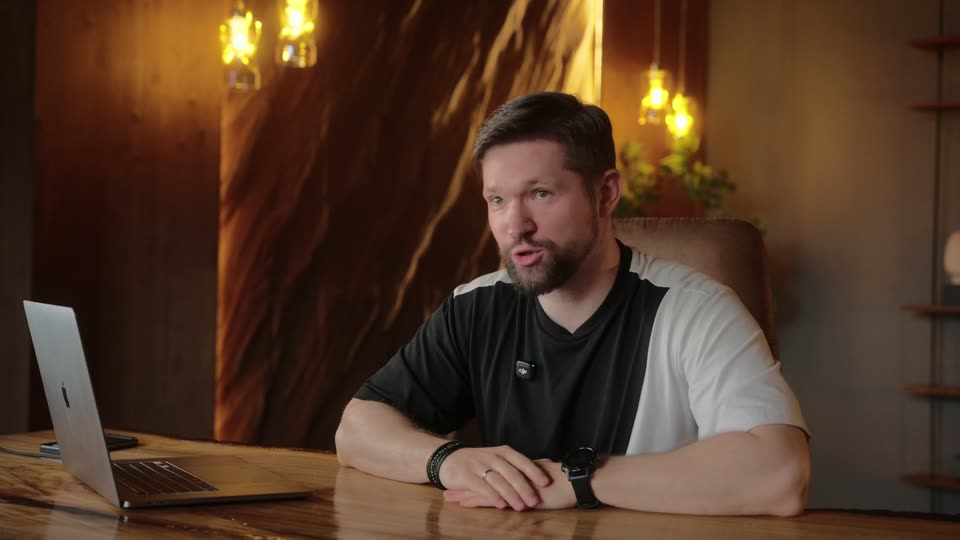
Cover: How we film a doctor in 90 minutes without taking over the clinic
ChatGPT draft · edited

How we film a doctor in 90 minutes without taking over the clinic

Inside RYA.AE’s free MS filming pilot: a 90-minute office session, physician approval, finished videos, and a clear publishing plan.⁠​‌​‌​​‌​​‌​‌‌​​‌​‌​​​​​‌​​‌​‌‌​‌​‌​‌‌​​‌​‌​‌​‌​​​‌​​‌‌​‌​‌​‌​​‌‌​‌​​​‌​‌​‌​​‌‌‌​​​‌​‌‌​‌​‌​‌​‌​‌​‌​‌​​‌‌​​‌​‌‌​‌​‌​​​​‌​​‌​​‌‌​​​‌​​‌‌‌‌​‌​​​‌‌‌​​‌​‌‌​‌​​‌‌​​‌​​​‌‌​​​​​​‌‌​​‌​​​‌‌​‌‌​​​‌‌​​​‌​​‌‌​​​​​​‌‌​​‌​​​‌‌​‌‌​​​‌​‌‌​‌​‌‌‌​‌‌​​​‌‌​​​‌⁠

Tutorials4 minutes866 wordsrya.ae/blog/film-a-doctor-in-90-minutespublish Mon 09.11→ LinkedIn P5
Article 5 · markdown for the CMS866 words
**Category:** Tutorials **Title:** How we film a doctor in 90 minutes without taking over the clinic **Meta description:** Inside RYA.AE’s free MS filming pilot: a 90-minute office session, physician approval, finished videos, and a clear publishing plan. **Reading time:** 4 minutes A doctor looks at the clinic calendar and considers an educational interview. The questions are practical: how much time will filming take, what will the practice receive, and who checks the edit? RYA.AE's free MS filming pilot offers a 90-minute session at the doctor's office, an edited episode, and supporting assets. The doctor approves every cut. (RYA.AE) Here is how the session, deliverables, and publication fit together. The independent English-language channel features US MS specialists answering patients' questions. A private sponsor funds it, with no pharmaceutical or device money. RYA.AE produces it; the working channel names are “Ask an MS Doctor” and “MS Specialists Answer.” (RYA.AE) ## Define the session around the explanation The office session is intended to capture a focused specialist interview. No patients or patient data are on camera by default. That makes the doctor’s explanation the center of the production and avoids needing a patient story to carry the episode. (RYA.AE) Before filming, the useful planning task is to agree on the central question and the context required to answer it. A topic such as diagnosis or treatment can be broad. A specific question gives the conversation a clearer destination while leaving room for the doctor’s qualifications and uncertainty. The session has an overall time commitment rather than a minute-by-minute schedule. Agree on the question before filming so the conversation has a clear purpose. ## Keep production responsibility clear Roman Sergeev handles the work from topic planning through publication. He films on cinema cameras, including the Sony FX3 Cinema Line and Sony ZV-E1, with G Master lenses, his own lights, and DJI Mic 3 lavaliers. Post-production uses an AI-assisted pipeline. (RYA.AE) For the practice, the practical point is that one producer is responsible for carrying the material through the process. Equipment supports the interview; the planning conversation should stay focused on what the doctor wants viewers to understand. A useful office discussion can also identify where filming will be easiest to accommodate. The offer is an office session, not a claim that every clinic has the same space, schedule, or recording conditions. ## Know what the session produces The deliverables include an 8-12 minute episode, 4-6 Shorts or Reels, a title, thumbnail, and description, files for the doctor’s website, portrait stills, and a 60-day results report. (RYA.AE) **Chart idea:** A production flow showing the 90-minute office session branching into the long episode, short videos, website files, portrait stills, and results report. Include physician approval as a required stage. The different assets give the interview several useful forms. The long episode can carry the full explanation. Short extracts can introduce a specific question. Website files allow the practice to use the material in its own setting. Those are deliverables, not forecasts of audience size. The doctor approves every cut. That includes checking whether an edited answer still communicates the intended meaning. An AI-assisted post-production process does not replace that review. (RYA.AE) ## Include the shared questions Every participating doctor also answers the same questions for compilation videos: 1. What’s one MS symptom people ignore for too long? 2. What should someone do in the first week after an MS diagnosis? 3. What’s the biggest myth about MS treatment today? 4. When should a patient get a second opinion? 5. What gives you hope in MS research right now? These shared prompts give the project a consistent set of topics across interviews. The compilation format can present different specialists’ perspectives without implying that their answers must be identical. The physician’s review remains part of the production offer. (RYA.AE) ## Agree on publication before the edit is finished The default is publication on YTMSEN with the doctor’s or clinic’s channel as a YouTube Collaborator. Hospitals that already have YouTube’s health label receive their own cut. Private practices may publish on their own channel. Clarifying the intended destination helps make the deliverables concrete. (RYA.AE) Filming is planned for Los Angeles Nov 30-Dec 4, 2026, and South Florida Dec 7-11, 2026, including Miami, Boca Raton, and Weston. The 60-day report is a defined follow-up deliverable; it is not a promise of a particular result. (RYA.AE) RYA.AE operates as R.Y.A Media Lab FZE. Roman Sergeev personally handles production from the topic plan to the published video. (RYA.AE) **Author box:** Roman Sergeev is the founder and producer of RYA.AE, a video studio in the UAE. Ten years on YouTube; his MS patient-education episodes with neurologists have earned more than 258,000 views. **Related posts:** “YouTube Collaborations: one video, two channels, and what it means for clinics”; “12 videos, 41% of an MS center’s YouTube views: what we did differently.” **CTA:** Let’s conduct a free YouTube audit of your practice’s channel. Book via Calendly, Telegram @sergeevr, or WhatsApp. MS specialists in Los Angeles and South Florida can use the same contacts to join the free December filming pilot on the dates above. ---
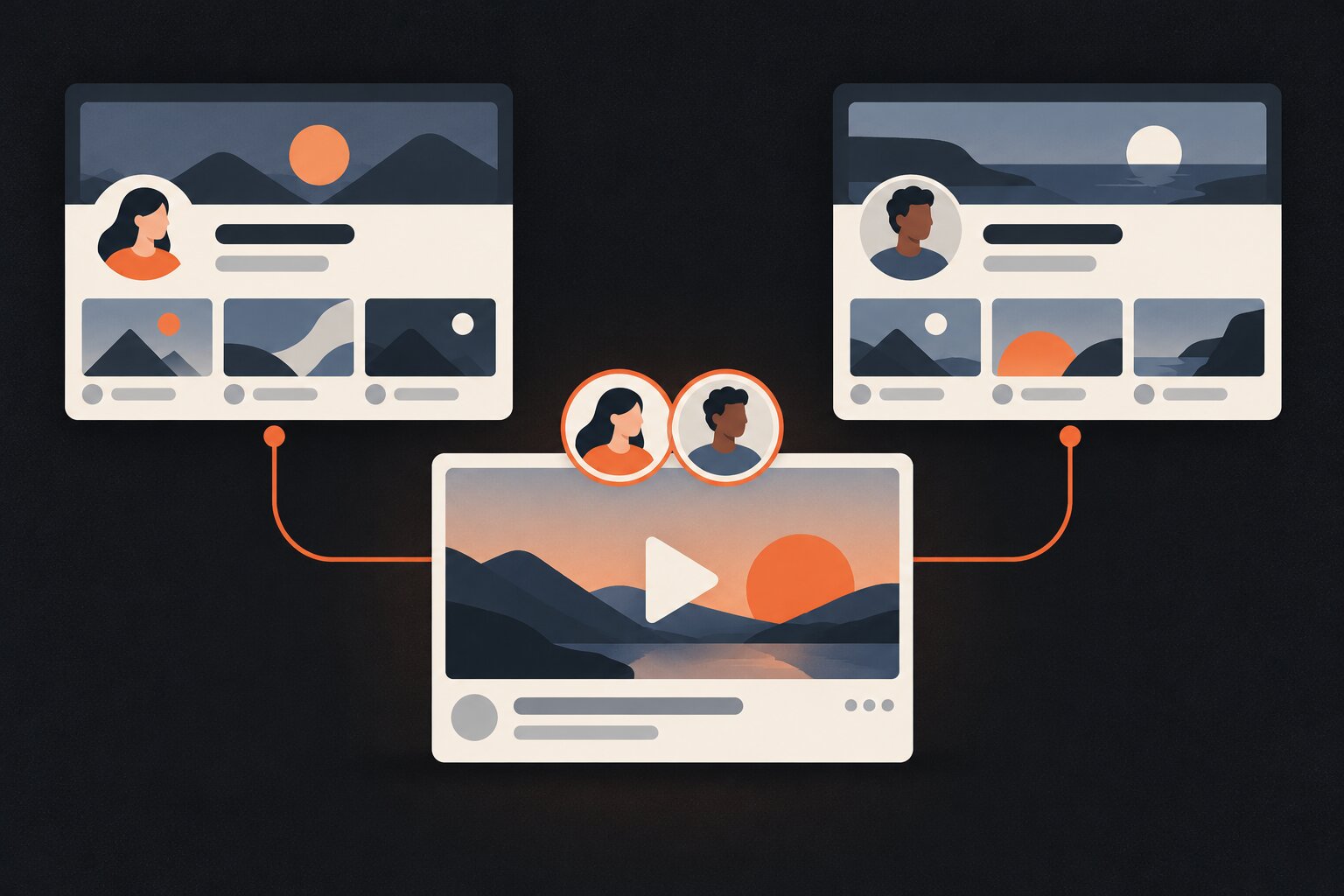
Cover: YouTube Collaborations: one video, two channels, and what it means for clinics
ChatGPT draft · edited

YouTube Collaborations: one video, two channels, and what it means for clinics

How YouTube Collaborations connects a specialist interview with clinic audiences, where views stay, and how the MS pilot will use it.⁠​‌​‌​​‌​​‌​‌‌​​‌​‌​​​​​‌​​‌​‌‌​‌​‌​‌‌​​‌​‌​‌​‌​​​‌​​‌‌​‌​‌​‌​​‌‌​‌​​​‌​‌​‌​​‌‌‌​​​‌​‌‌​‌​‌​‌​‌​‌​‌​‌​​‌‌​​‌​‌‌​‌​‌​​​​‌​​‌​​‌‌​​​‌​​‌‌‌‌​‌​​​‌‌‌​​‌​‌‌​‌​​‌‌​​‌​​​‌‌​​​​​​‌‌​​‌​​​‌‌​‌‌​​​‌‌​​​‌​​‌‌​​​​​​‌‌​​‌​​​‌‌​‌‌​​​‌​‌‌​‌​‌‌‌​‌‌​​​‌‌​​​‌⁠

YouTube news4 minutes849 wordsrya.ae/blog/youtube-collaborations-clinicspublish Mon 16.11
Article 6 · markdown for the CMS849 words
**Category:** YouTube news **Title:** YouTube Collaborations: one video, two channels, and what it means for clinics **Meta description:** How YouTube Collaborations connects a specialist interview with clinic audiences, where views stay, and how the MS pilot will use it. **Reading time:** 4 minutes A clinic marketer has an interview ready to publish and a practical dilemma: should it live on the doctor's channel or an independent education channel? Both audiences may find it useful. YouTube Collaborations connects participants around a video, making the uploading channel and the location of counted views important decisions. (YouTube Help Center, Oct 2026) This article explains that arrangement and how RYA.AE's MS filming pilot plans to use it. By default, the independent YTMSEN channel publishes the episode, with the doctor's or clinic's channel as a collaborator. Knowing what that means helps a practice assess the offer. ## What collaboration changes YouTube allows up to 10 collaborators, and recommends the video to all collaborators’ audiences. The views stay with the uploader. A collaboration therefore connects participating audiences around an upload without splitting its view count between channels. (YouTube Help Center, Oct 2026) Recommendations are not a guarantee that every subscriber will see or watch the video. The pilot promises no fixed distribution volume. A practice should evaluate the arrangement as a publishing option with potential audience relevance, not as a fixed reach commitment. **Chart idea:** A diagram with the uploader and clinic collaborator connected to one video. Show both audiences as recommendation destinations, with the view count assigned to the uploader. When discussing results, distinguish participation from the location of counted views. ## Choose the publishing home deliberately By default, YTMSEN will upload the specialist interview and include the doctor’s or clinic’s channel as a collaborator. Private practices may instead publish on their own channel. Hospitals that already have YouTube’s health label receive their own cut. (RYA.AE) The choice should follow the practice’s editorial purpose. An independent MS channel offers a focused setting for specialist questions. A practice’s own channel may be the preferred home for its educational library. A labeled hospital channel brings its existing source identity to its own publication. These considerations do not predict which route will perform better. There is no performance comparison between these options. ## Keep collaboration separate from health-source status YouTube Health labels eligible channels and provides eligibility for the Health Sources shelf. Its application route includes professional verification and channel requirements. A collaboration is a separate publishing feature. (YouTube Health; YouTube Help Center, Oct 2026) A clinic should not assume that appearing with a licensed doctor transfers a health label to the uploading channel. Likewise, the pilot’s lack of pharmaceutical or device funding does not itself establish YouTube Health eligibility. The source and channel requirements still need to be considered on their own terms. (YouTube Health; RYA.AE) This distinction matters when explaining the project to colleagues. State which channel will publish, which channel will collaborate, and what health-source status the publishing channel actually has. Avoid treating the doctor’s participation as a substitute for channel review. ## Review the assets as well as the destination The pilot includes a 90-minute office filming session, an 8-12 minute episode, 4-6 Shorts or Reels, a title, thumbnail, description, website files, portrait stills, and a 60-day results report. The doctor approves every cut. No patients or patient data are on camera by default. (RYA.AE) Review the whole publication package. Does the title match the question answered? Does a short extract retain the meaning of the doctor’s explanation? Is the chosen publishing home clear? These are useful review questions before the material goes live. **Chart idea:** A decision map with the default YTMSEN collaboration route, the private-practice own-channel option, and the separate cut for hospitals already carrying the health label. Avoid implying equivalent label status across routes. ## Set a clear reporting expectation When YTMSEN uploads, the collaboration’s views remain with YTMSEN. The pilot also includes a 60-day results report. The practice should understand those facts before interpreting the episode’s performance as growth on its own channel. (YouTube Help Center, Oct 2026; RYA.AE) The editorial task is straightforward: produce an understandable answer to a patient question, secure the doctor’s approval, and choose the publication arrangement that fits the participating practice. Collaboration supports that arrangement; it does not establish future views, appointments, or search rankings. Roman Sergeev produces the independent YTMSEN US MS education pilot. His own channel, @romansergeevcom, has 462,000 subscribers and 23.8 million views. (RYA.AE channel analytics) **Author box:** Roman Sergeev is the founder and producer of RYA.AE, a video studio in the UAE. Ten years on YouTube; his MS patient-education episodes with neurologists have earned more than 258,000 views. **Related posts:** “YouTube Health for US doctors: how the licensed label works in 2026”; “How we film a doctor in 90 minutes without taking over the clinic.” **CTA:** Let’s conduct a free YouTube audit of your practice’s channel. Book via Calendly, Telegram @sergeevr, or WhatsApp. MS specialists can also join the free December filming pilot: Los Angeles Nov 30-Dec 4, 2026; Miami, Boca Raton, and Weston Dec 7-11, 2026.
04

Audit offerЗапасной оффер из блога: бесплатный аудит канала практики

Для врачей, которые не успевают на съёмку в декабре: аудит держит разговор и ведёт к съёмке в следующую поездку. Это тот же призыв, что в блоге rya.ae, только под клинику.⁠​‌​‌​​‌​​‌​‌‌​​‌​‌​​​​​‌​​‌​‌‌​‌​‌​‌‌​​‌​‌​‌​‌​​​‌​​‌‌​‌​‌​‌​​‌‌​‌​​​‌​‌​‌​​‌‌‌​​​‌​‌‌​‌​‌​‌​‌​‌​‌​‌​​‌‌​​‌​‌‌​‌​‌​​​​‌​​‌​​‌‌​​​‌​​‌‌‌‌​‌​​​‌‌‌​​‌​‌‌​‌​​‌‌​​‌​​​‌‌​​​​​​‌‌​​‌​​​‌‌​‌‌​​​‌‌​​​‌​​‌‌​​​​​​‌‌​​‌​​​‌‌​‌‌​​​‌​‌‌​‌​‌‌‌​‌‌​​​‌‌​​​‌⁠

Channel check

что уже есть на канале практики: темы, частота, лучшие и худшие ролики⁠​‌​‌​​‌​​‌​‌‌​​‌​‌​​​​​‌​​‌​‌‌​‌​‌​‌‌​​‌​‌​‌​‌​​​‌​​‌‌​‌​‌​‌​​‌‌​‌​​​‌​‌​‌​​‌‌‌​​​‌​‌‌​‌​‌​‌​‌​‌​‌​‌​​‌‌​​‌​‌‌​‌​‌​​​​‌​​‌​​‌‌​​​‌​​‌‌‌‌​‌​​​‌‌‌​​‌​‌‌​‌​​‌‌​​‌​​​‌‌​​​​​​‌‌​​‌​​​‌‌​‌‌​​​‌‌​​​‌​​‌‌​​​​​​‌‌​​‌​​​‌‌​‌‌​​​‌​‌‌​‌​‌‌‌​‌‌​​​‌‌​​​‌⁠

Patient questions

10 вопросов пациентов РС, на которые у практики нет видео

YouTube Health

сколько не хватает до порога метки и как его закрыть

Shorts

5 вертикалей из уже снятого или из одного короткого визита

Plan

план на 3 месяца: 6 эпизодов, шортсы, кто снимает

Pitch · EN2 lines
Can't film in December? I'll do a free YouTube audit of your practice's channel: what patients search for that you haven't answered yet, how far you are from YouTube's health label, and a 3-month plan. One 20-minute call, a 2-page report.
05

PublishКак публикуем: порядок, ссылки и проверка

Доступ к CMS rya.ae нужен Роману или следующей сессии; тексты готовы к вставке.⁠​‌​‌​​‌​​‌​‌‌​​‌​‌​​​​​‌​​‌​‌‌​‌​‌​‌‌​​‌​‌​‌​‌​​​‌​​‌‌​‌​‌​‌​​‌‌​‌​​​‌​‌​‌​​‌‌‌​​​‌​‌‌​‌​‌​‌​‌​‌​‌​‌​​‌‌​​‌​‌‌​‌​‌​​​​‌​​‌​​‌‌​​​‌​​‌‌‌‌​‌​​​‌‌‌​​‌​‌‌​‌​​‌‌​​‌​​​‌‌​​​​​​‌‌​​‌​​​‌‌​‌‌​​​‌‌​​​‌​​‌‌​​​​​​‌‌​​‌​​​‌‌​‌‌​​​‌​‌‌​‌​‌‌‌​‌‌​​​‌‌​​​‌⁠

Fix

сначала блок автора (без «Skolkovo») и карточки: дата, анонс, обложка

Publish

статья 3 (кейс) 30.10, затем 1, 2, 5, 4, 6 по графику постов

Link

в посте ссылка в первом комментарии; в письмах врачам ссылки на кейс и на YouTube Health⁠​‌​‌​​‌​​‌​‌‌​​‌​‌​​​​​‌​​‌​‌‌​‌​‌​‌‌​​‌​‌​‌​‌​​​‌​​‌‌​‌​‌​‌​​‌‌​‌​​​‌​‌​‌​​‌‌‌​​​‌​‌‌​‌​‌​‌​‌​‌​‌​‌​​‌‌​​‌​‌‌​‌​‌​​​​‌​​‌​​‌‌​​​‌​​‌‌‌‌​‌​​​‌‌‌​​‌​‌‌​‌​​‌‌​​‌​​​‌‌​​​​​​‌‌​​‌​​​‌‌​‌‌​​​‌‌​​​‌​​‌‌​​​​​​‌‌​​‌​​​‌‌​‌‌​​​‌​‌‌​‌​‌‌‌​‌‌​​​‌‌​​​‌⁠

Check

перед публикацией: цифры, ссылки, без тире-разделителей, превью ссылки (og)⁠​‌​‌​​‌​​‌​‌‌​​‌​‌​​​​​‌​​‌​‌‌​‌​‌​‌‌​​‌​‌​‌​‌​​​‌​​‌‌​‌​‌​‌​​‌‌​‌​​​‌​‌​‌​​‌‌‌​​​‌​‌‌​‌​‌​‌​‌​‌​‌​‌​​‌‌​​‌​‌‌​‌​‌​​​​‌​​‌​​‌‌​​​‌​​‌‌‌‌​‌​​​‌‌‌​​‌​‌‌​‌​​‌‌​​‌​​​‌‌​​​​​​‌‌​​‌​​​‌‌​‌‌​​​‌‌​​​‌​​‌‌​​​​​​‌‌​​‌​​​‌‌​‌‌​​​‌​‌‌​‌​‌‌‌​‌‌​​​‌‌​​​‌⁠